Mental Health GP Waterkloof/Menlyn/Online

Heartfelt care - bridging body and mind.

Welcome to a practice that bridges BODY and MIND. I am a medical doctor with a decade of experience in internal medicine, treating chronic conditions daily. In that journey, I learned that many struggling with anxiety or depression often have underlying inflammatory or medical causes. My passion is to uncover the root of your struggles - because mental health is brain health.

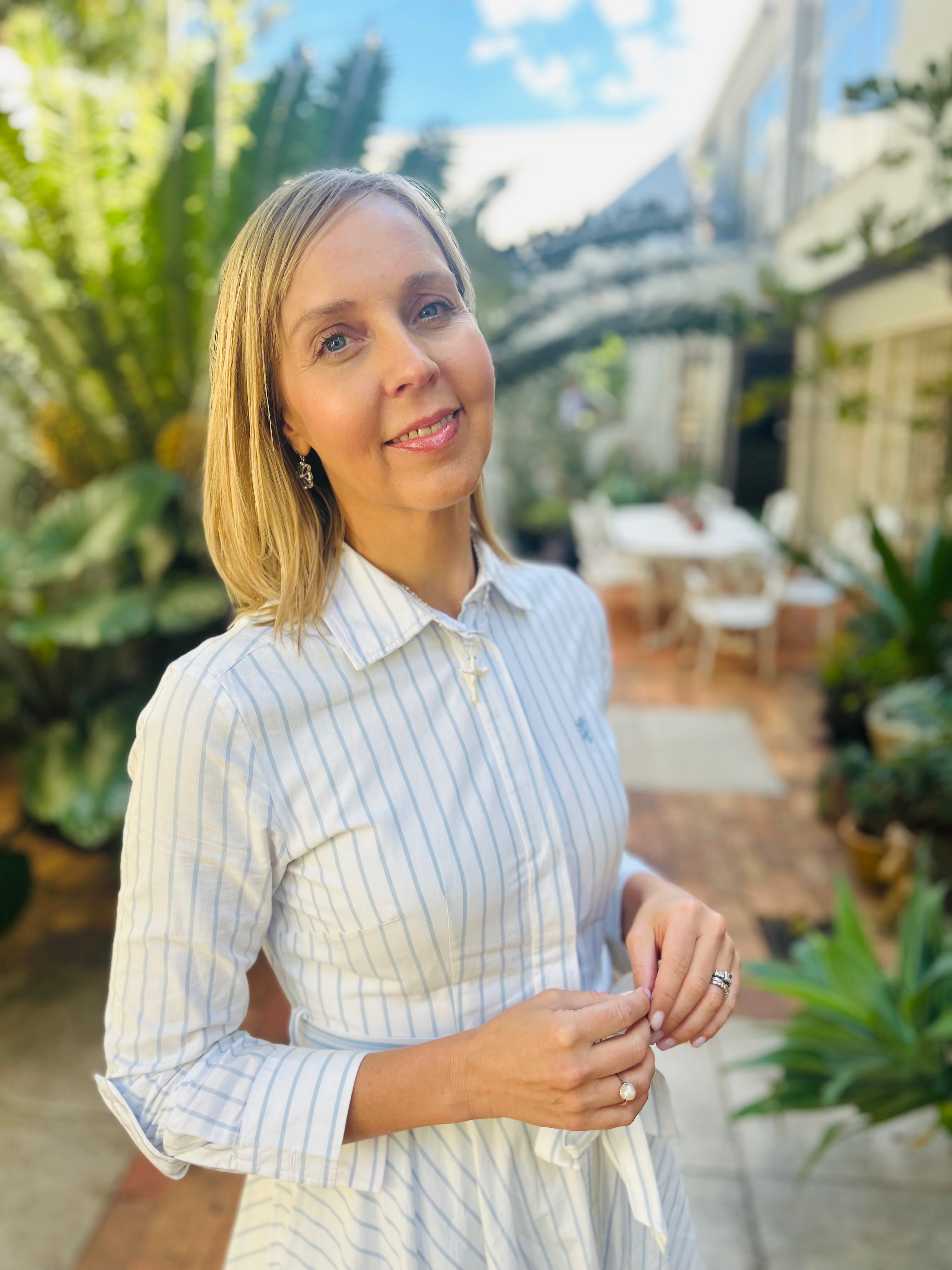
Therapy website hero image showing a woman in soft light, representing support for burnout, anxiety, and emotional wellness.

I’ve had the privilege of working many years in a goverment psychiatry department and successfully passing my primary exams, on my current journey towards becoming a psychiatrist. I believe my current calling - to stand in that unique space, bridging the worlds of general practice and psychiatry, offering patients a holistic and integrated approach to their well-being.

My journey also led me to earn an Honours degree in Psychology as well as a degree in Human Physiology with distinction. This dual perspective allows me to deeply listen to your story, combining medical expertise with a true focus on understanding you as a whole person.

It’s not just about diagnosing - it’s about truly hearing you.

“ I’m passionate about helping each person thrive by honoring their unique design and walking alongside them through the complex journey of health and mental wellness.”

Here, you’ll find a safe place of healing where we look at the whole person.

As a functional provider, 

  • I aim to rule out medical issues contributing to your emotional state. 
    • Inflammation can influence mood, and neuroinflammation or conditions like low iron, thyroid imbalances, or blood sugar fluctuations may be the root. 
  • Other influences to help you reclaim balance and well-being.
    • I’ll be your bridge between GP and psychiatrist, ensuring we address these factors. Together, we’ll explore your Purpose, Energy, Memory & Mobility.

As a specialised general practitioner, I’m able to bridge the gap between everyday primary care and the deeper complexities of mental health. While psychiatrists focus on more acute psychiatric conditions, I bring both worlds together offering the holistic care of a GP with a deep understanding of underlying emotional roots of your struggle. 

As a mother of three, I know the importance of balance, and I bring that same balance into my care - seeing you as a whole person, not just a set of symptoms that honours your individual pace with absolute dignity and confidentiality.

Clinical Conditions

Whether you’re new or exploring deeper support, we know you may have questions.

Eating Disorders

As someone who personally struggled with an eating disorder during my years as a competitive swimmer, I understand that eating disorders are about far more than food or weight. They are complex conditions that often involve anxiety, perfectionism, low self-worth, emotional distress, trauma, obsessive thinking, and difficulties with coping or feeling in control.

I approach eating disorders with deep compassion, understanding, and without judgement. My goal is to help individuals explore the underlying emotional, psychological, biological, and lifestyle factors contributing to disordered eating patterns, while supporting both physical and emotional healing.

Treatment is holistic and personalised, and may include psychiatric support, psychotherapy, nutritional guidance in collaboration with dietitians, nervous system regulation, healthy sleep and lifestyle practices, stress management, and developing a more compassionate relationship with oneself.

I believe recovery is not simply about changing eating behaviours - it is about restoring balance, rebuilding self-worth, healing the relationship with one’s body, and helping individuals reconnect with health, peace, and freedom.

Personality Difficulties

Personality difficulties involve long-standing patterns of thinking, feeling, relating, and coping that may cause distress or create challenges in relationships, emotional wellbeing, self-image, or daily functioning. These patterns often develop over time and can be influenced by temperament, life experiences, attachment relationships, trauma, and emotional coping strategies.

I approach personality difficulties with compassion, curiosity, and without judgement. Rather than labelling individuals, we aim to understand the deeper emotional experiences, relational patterns, and survival mechanisms that may be contributing to ongoing struggles.

Many people experiencing personality difficulties may also struggle with anxiety, depression, emotional sensitivity, low self-worth, impulsivity, fear of abandonment, or difficulties managing stress and relationships. Our approach focuses on helping individuals develop greater self-awareness, emotional regulation, healthier coping strategies, and more secure and meaningful relationships.

Treatment is personalised and holistic and may include psychotherapy, emotional support, nervous system regulation, lifestyle interventions, mindfulness practices, and where appropriate, medical treatment. We believe meaningful growth and healing are possible through compassionate support, self-understanding, and developing healthier ways of relating to oneself and others.

Trauma & PTSD

Trauma can develop after experiencing or witnessing deeply distressing events such as abuse, violence, loss, medical trauma, accidents, or overwhelming life experiences. Even long after the event has passed, trauma can continue to affect the mind, body, nervous system, relationships, and sense of safety.

 I understand that trauma is not simply “in the past.” Trauma can remain stored within the nervous system, affecting emotional regulation, sleep, concentration, self-worth, physical health, and the ability to feel calm, safe, or connected. Individuals may experience symptoms such as anxiety, hypervigilance, panic, emotional numbness, intrusive memories, nightmares, irritability, or feeling constantly overwhelmed or “on edge.”

My approach to trauma is compassionate, gentle, and holistic. I aim to create a safe and supportive therapeutic space where healing can occur gradually and at an individual’s own pace. Treatment focuses not only on emotional healing, but also on restoring nervous system balance and supporting overall brain and body health.

Care may include psychotherapy, nervous system regulation, grounding techniques, diaphragmatic breathing, mindfulness practices, heart rate variability and biofeedback strategies, lifestyle and sleep support, emotional processing, and where appropriate, medical treatment. I also believe that faith, prayer, meaning, and healthy connection can play a deeply important role in healing for many individuals.

Rather than simply suppressing symptoms, my goal is to help patients understand their trauma responses with self-compassion, develop healthier coping mechanisms, restore a sense of safety and empowerment, and move toward long-term healing, resilience, and emotional freedom.

Bipolar Disorders

Bipolar disorder is a complex condition that affects mood, energy levels, sleep, emotional regulation, thinking patterns, and overall functioning. Individuals may experience periods of depression, including low mood, hopelessness, fatigue, and withdrawal, as well as periods of elevated mood or increased energy that may involve racing thoughts, impulsivity, decreased need for sleep, heightened confidence, irritability, or difficulty slowing the mind.

I understand that bipolar disorder is far more than simply “mood swings.” It is a condition that can affect relationships, work, physical health, stress regulation, and overall quality of life. My approach is compassionate, holistic, and focused on helping individuals achieve greater stability, self-awareness, and long-term wellbeing.

Treatment involves carefully exploring the many factors that can influence mood regulation, including sleep patterns, stress, lifestyle, nutrition, hormonal influences, physical health, nervous system balance, and substance use. I believe that protecting brain health and establishing healthy daily rhythms are essential components of long-term recovery and stability.

Care may include psychotherapy, lifestyle and sleep optimisation, nervous system regulation, stress management, mindfulness practices, emotional support, and where appropriate, personalised medication management. I also encourage the development of healthy routines, meaningful connection, purpose, and spiritual wellbeing where important to the individual.

My goal is not simply symptom control, but helping each person build a more balanced, grounded, and fulfilling life with compassionate ongoing support and evidence-based care.

Psychotic Disorders

Psychotic disorders are serious mental health conditions that can affect a person’s thoughts, perceptions, emotions, and sense of reality. Individuals may experience symptoms such as hallucinations, delusions, disorganised thinking, paranoia, confusion, or significant changes in behaviour and functioning. Psychosis can occur as part of psychiatric conditions such as schizophrenia or bipolar disorder, but may also be related to severe stress, trauma, medical conditions, substance use, sleep deprivation, medications, or other underlying health concerns.

 I believe it is essential to approach psychotic symptoms with compassion, careful assessment, and a holistic understanding of the individual. My approach includes exploring possible contributing factors such as physical health conditions, hormonal or metabolic disturbances, substance use, nutritional deficiencies, sleep disruption, trauma, stress, and underlying psychiatric illness.

As a GP with a special interest in mental health, I aim to help bridge the gap between general medical care and psychiatry by providing thorough medical and psychological assessment, early intervention, supportive care, and appropriate management where suitable within my scope of practice. I also recognise the importance of collaborative, multidisciplinary care.

Where symptoms are severe, complex, or beyond my scope of practice, I will refer patients to a psychiatrist for specialist management and, where necessary, possible inpatient admission to ensure the safest and most appropriate level of care.

My goal is always to provide compassionate, person-centred support while helping individuals and families navigate what can often be a frightening and overwhelming experience with dignity, clarity, and appropriate ongoing care.

Neurodevelopmental Difficulties

Neurodevelopmental difficulties are conditions that affect how the brain develops and functions, influencing areas such as attention, learning, communication, emotional regulation, behaviour, memory, social interaction, and daily functioning. These may include conditions such as Attention-Deficit/Hyperactivity Disorder (ADHD), autism spectrum disorder (ASD), dyslexia, learning difficulties, and other cognitive or developmental challenges.

At Heartfelt Care Psychiatry, I recognise that neurodevelopmental conditions are not simply behavioural problems or personal shortcomings, but reflect differences in how the brain processes information, emotions, and the surrounding world. These challenges can affect individuals of all ages and may impact confidence, relationships, academic or work performance, emotional wellbeing, and self-esteem.

My approach is compassionate, holistic, and focused on understanding each individual’s unique strengths, challenges, and support needs. Assessment includes exploring emotional wellbeing, sleep, nutrition, stress levels, physical health, sensory sensitivities, lifestyle factors, and possible coexisting conditions such as anxiety, depression, trauma, or burnout, which commonly occur alongside neurodevelopmental difficulties.

Treatment and support may include psychoeducation, lifestyle and nervous system regulation strategies, emotional support, behavioural and coping strategies, sleep optimisation, nutritional guidance, collaboration with psychologists, occupational therapists, speech therapists, educational professionals, and where appropriate, medication management.

As a GP with a special interest in mental health, I aim to help bridge the gap between physical and mental healthcare while providing supportive, individualised care. Where concerns are more complex or require specialist assessment beyond my scope of practice, I will refer appropriately to psychiatrists, paediatricians, psychologists, or multidisciplinary teams to ensure comprehensive ongoing support.

Dementia & Cognitive Decline

Dementia refers to a group of conditions that affect memory, thinking, judgement, behaviour, communication, and daily functioning. These conditions may gradually interfere with a person’s ability to manage everyday tasks, maintain independence, and connect with others. Alzheimer’s disease is one of the most common forms of dementia, but cognitive decline can also result from other neurological, vascular, medical, or lifestyle-related factors.

My interest in caring for individuals and families affected by dementia is deeply personal. My great-grandmother lived with Alzheimer’s disease, and witnessing the emotional impact this had on both her and our family shaped my compassion and understanding from a young age. During my years as a student in my twenties, I also spent time in England caring for elderly individuals living with dementia. Those experiences profoundly influenced my desire to support not only patients experiencing cognitive decline, but also the families walking alongside them.

I understand that dementia affects far more than memory alone - it impacts relationships, emotional wellbeing, identity, family dynamics, and quality of life. Caring for a loved one with dementia can be emotionally and physically exhausting, and many family members experience stress, grief, anxiety, burnout, or depression while trying to support the person they love.

My approach is compassionate, holistic, and family-centred. Assessment includes exploring medical, neurological, emotional, lifestyle, and psychological factors that may contribute to cognitive symptoms, while also supporting emotional wellbeing and overall quality of life.

Care may include cognitive and emotional support, lifestyle and brain-health interventions, nervous system regulation, caregiver support, psychoeducation, and where appropriate, medical treatment and specialist referral. I also value the importance of family support and family therapy, helping loved ones better understand the condition, improve communication, navigate difficult transitions, and care for their own emotional wellbeing throughout the journey.

My goal is to provide compassionate, dignified care that supports both the individual and the family system with understanding, guidance, and ongoing support.

Depression

Depression is a complex condition that affects how we feel, think, and function. It’s not simply about being sad—it can involve persistent low mood, fatigue, loss of interest, and changes in sleep, appetite, and concentration. I believe that depression is not one-size-fits-all—many factors can contribute, from brain chemistry and lifestyle to stress and underlying health issues.

My approach is holistic. Inspired by the idea of caring for both mind and body, I explore the root causes that may influence depression—whether it’s sleep, stress, nutrition, hormonal imbalances, or emotional patterns. I emphasize lifestyle changes—like healthy sleep, exercise, nutrition, mindfulness, and stress management—as key components. If appropriate, I may incorporate medical treatment, but always as part of a broader plan.

Above all, I partner with each person to create a compassionate, evidence-based approach to help restore balance and wellbeing. If complexities arise that need specialized care, I ensure that referral to a psychiatrist is arranged. My goal is to support you fully, bridging medical and mental health care, while walking alongside you on the path to healing.

Anxiety

Anxiety is more than everyday stress or worry. It is a condition that can cause persistent feelings of fear, unease, or overwhelm, often affecting both the mind and body. Symptoms may include racing thoughts, restlessness, difficulty concentrating, a rapid heartbeat, shortness of breath, tension, fatigue, or disrupted sleep.

I understand that anxiety can be influenced by emotional, biological, medical, and lifestyle factors. Our approach focuses on identifying underlying contributors while providing compassionate, personalised care to help individuals regain a sense of calm, balance, and resilience.

Anxiety is a multifaceted condition, and my approach is to address it holistically, beyond just quick fixes. While anxiety can be overwhelming, I’m cautious about long-term reliance on medications like benzodiazepines. Instead, I focus first on finding underlying contributors—such as thyroid issues, low iron, or blood sugar imbalances—that may be driving symptoms. I’ll also explore lifestyle factors, removing artificial additives or potential dietary triggers, in collaboration with nutrition specialists. Alongside these practical steps, I emphasize the power of faith, prayer, and mindfulness techniques—like heart rate variability training and breathing exercises—to foster resilience. Rather than offering a quick pill, I partner with my patients to reshape thoughts, address root causes, and build a path to lasting, empowering relief.

Sleep Disorders

Sleep disorders involve ongoing difficulties with falling asleep, staying asleep, maintaining restful sleep, or experiencing excessive daytime fatigue. Poor sleep can significantly affect emotional wellbeing, concentration, energy levels, physical health, and overall quality of life.

At Heartfelt Care Psychiatry, we recognise that sleep disturbances are often closely connected to mental, physical, and lifestyle factors. Our approach is to carefully explore possible underlying contributors such as stress, anxiety, depression, hormonal imbalances, nutritional deficiencies, medical conditions, poor sleep habits, and nervous system dysregulation.

Treatment focuses on restoring healthy, sustainable sleep patterns through a personalised and holistic approach, which may include sleep hygiene education, lifestyle interventions, nervous system regulation, stress management, breathing techniques, mindfulness practices, and where appropriate, evidence-based medical support. We are also mindful of the long-term risks associated with certain sleep medications and aim to prioritise approaches that support lasting wellbeing and healthy sleep naturally whenever possible.

Sleep Health

Healthy sleep is essential for emotional wellbeing, cognitive function, physical health, and nervous system regulation. Difficulties with sleep can contribute to anxiety, low mood, poor concentration, fatigue, and increased stress on the body and mind.

Our approach to sleep is holistic and focused on identifying and addressing underlying contributors rather than relying solely on medication. We explore factors such as stress, anxiety, lifestyle habits, hormonal imbalances, nutrition, and nervous system dysregulation that may be impacting restorative sleep.

Treatment may include personalised sleep hygiene strategies, mindfulness practices, diaphragmatic breathing, relaxation techniques, nervous system regulation, lifestyle and nutritional support, and where appropriate, evidence-based medical treatment. We are also mindful of the long-term risks associated with certain sleep medications and aim to prioritise sustainable approaches that support natural, restorative sleep and long-term wellbeing.

Addiction

Addiction is a complex condition that affects the brain, body, emotions, relationships, and overall wellbeing. It may involve the repeated use of substances such as alcohol or drugs, or compulsive behaviours such as gambling, despite harmful consequences. Over time, addiction can impact emotional regulation, physical health, daily functioning, and a person’s sense of identity and connection.

I approach addiction with compassion, understanding, and without judgement. We recognise that addictive behaviours are often linked to underlying emotional distress, trauma, anxiety, depression, stress, or unmet physical and psychological needs. Our goal is to understand the deeper drivers contributing to the cycle of addiction while supporting long-term healing and recovery.

Treatment focuses on a personalised and holistic approach, which may include medical assessment, emotional support, lifestyle interventions, nervous system regulation, psychotherapy, relapse prevention strategies, nutritional support, and strengthening healthy coping mechanisms and meaningful connection. We believe recovery involves more than stopping a behaviour—it is about restoring balance, purpose, resilience, and overall wellbeing.

Medical Wellness

Woman in white dress sitting barefoot on a modern white chair by large glass doors with sheer white curtains and flower pots outside.
Insomnia & Sleep

Prioritizing sustainable approaches that support natural, restorative sleep.

Exploring medical causes of sleep disruption - such as nervous system dysregulation and hormonal imbalances - to move beyond a reliance on quick-fix medications.

Fatigue & Stress

Uncovering the root - because mental health is brain health.

Treating the physical manifestations of burnout, including inflammation and neuroinflammation that influence mood and energy levels.

Open notebook with handwritten text on a white desk next to a laptop keyboard under sunlight.

“Healing takes time.”

Large tree with dense leaves standing in a foggy field123 at sunrise with a wooden bench nearby.

For Patients

Medical Aid & PMB
The gatekeeper who can unlock medical aid funding for mental health.
  • Dr. Sebastiao understands that mental health care can feel overwhelming, but with the right support, every challenge is manageable.
  • Consultations are strictly confidential, so you can feel safe. Each session is set for 30 minutes at GP rates.
  • If we run longer, a prolonged consultation fee may apply, aligned with Discovery rates.
  • Some medical aids don’t cover extra time or reports, so Dr. Sebastiao will always inform you upfront of any additional costs. Follow-ups are also 30 minutes.
  • Your medical aid details will be checked to see if funds are available on the day of booking, with approval payment will happen directly with a medical aid.
  • For private patients or depleted medical aid the private rate can be paid using credit or debit card.
  • All consultations must be approved by the medical aid or paid up immediately after the consultation.
  • For further information on our fees structure, please contact our practice directly.
  • We kindly request that cancellations be made 24 hours in advance. Failure to cancel or a no-show will result in the patient being responsible for the full payment, except in cases of emergencies.
Location
Pretoria East Rooms - Waterkloof / Brooklyn / Menlyn

Thaba Tshwane Rooms -
Heartfelt Arena

Online consultations
  • Patients are encouraged to complete brief questionnaires prior to the consultation to enhance efficiency.
  • However, if you find the questionnaires daunting, please note that the consultation may require additional time, and extended consultations will be billed accordingly.
  • We are a fully online, paperless practice using GoodX. You will receive email or SMS links to create a MyGC account, where you can securely provide information and complete forms in advance, ensuring a smooth and efficient consultation.
Crisis Contact

Important Crisis & Emergency Notice

Any scheduled bookings through this website are monitored strictly during standard business hours and is NOT an emergency response service.

If you are experiencing a mental health crisis, severe distress, or thoughts of self-harm, please do not wait for an electronic or email response.

Contact an emergency facility immediately or call the South African Depression and Anxiety Group (SADAG) Mental Health Helpline on 0800 456 789 or their Suicide Crisis Line on 0800 567 567 (Available 24/7).

A quiet place to begin again.

Small steps can soften heavy days.

Move through life at your own pace.

Mental
Wellness is not the absence of a STORM, but it is the ability to ADAPT.

Divine peace that transcends mind and heart

I believe deeply in collaboration, and work with an intergrated cohesive team.

I’m committed to a multidisciplinary approach, partnering with a team who shares my core values.

Together with occupational therapists, social workers, psychologists, pastors, and spiritual leaders, we honour the diverse cultural backgrounds and perspectives of each person.

In every step, we keep context, respect, and shared understanding at the heart of the care we provide.